LaTeX templates and examples — Math
Recent
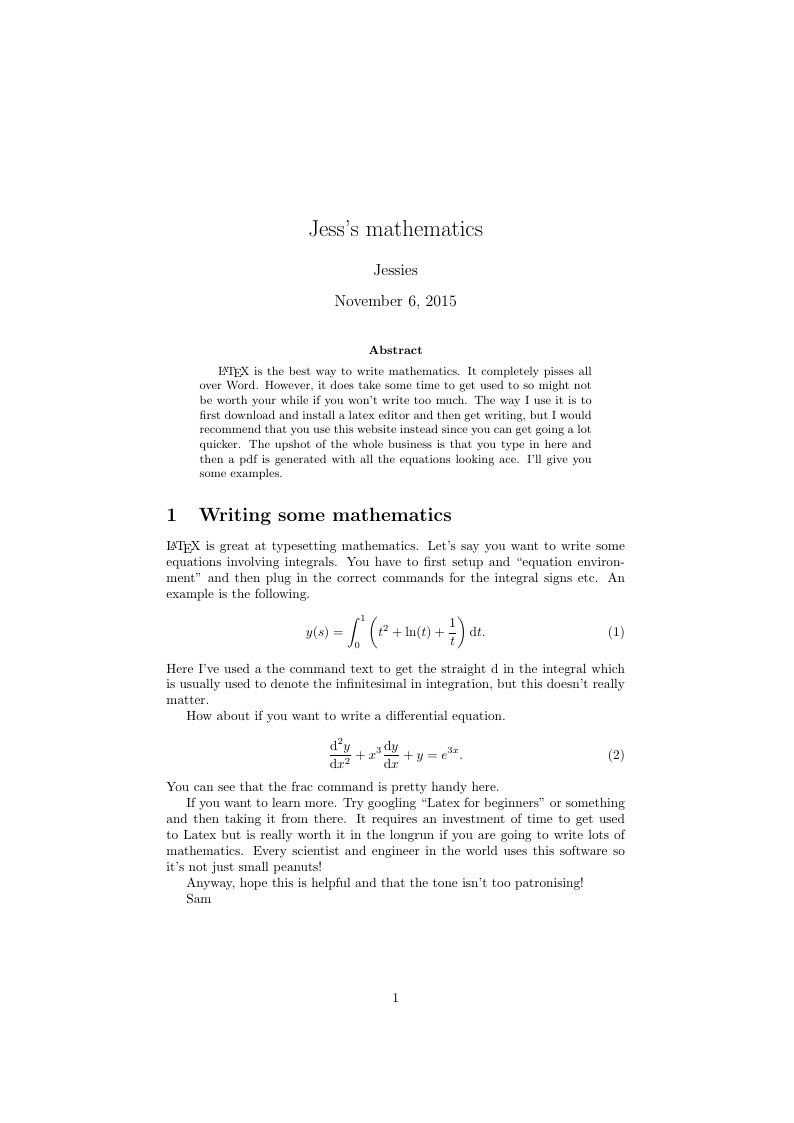
LaTeX is the best way to write mathematics. It completely pisses all over Word. However, it does take some time to get used to so might not be worth your while if you won't write too much. The way I use it is to first download and install a latex editor and then get writing, but I would recommend that you use this website instead since you can get going a lot quicker. The upshot of the whole business is that you type in here and then a pdf is generated with all the equations looking ace. I'll give you some examples.
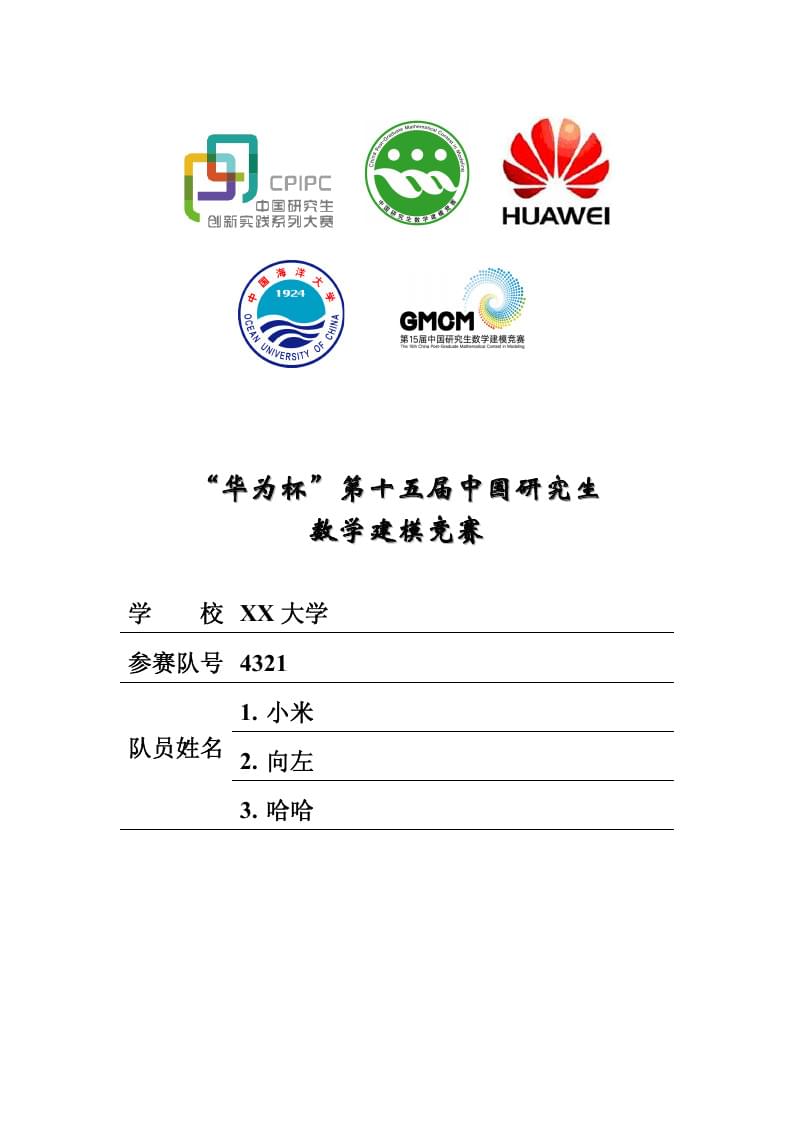
2018年研究生数学建模LaTeX模板:https://github.com/latexstudio/GMCMthesis 。
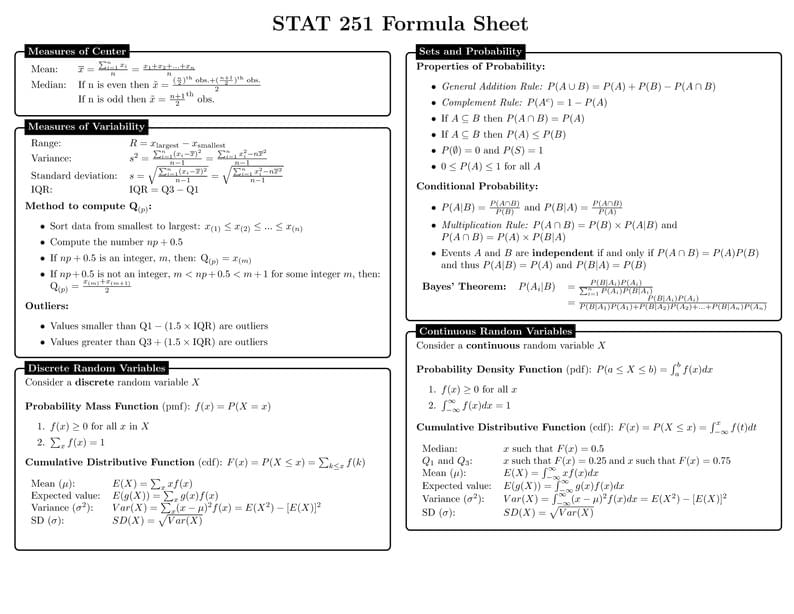
Formula sheet for a statistics course
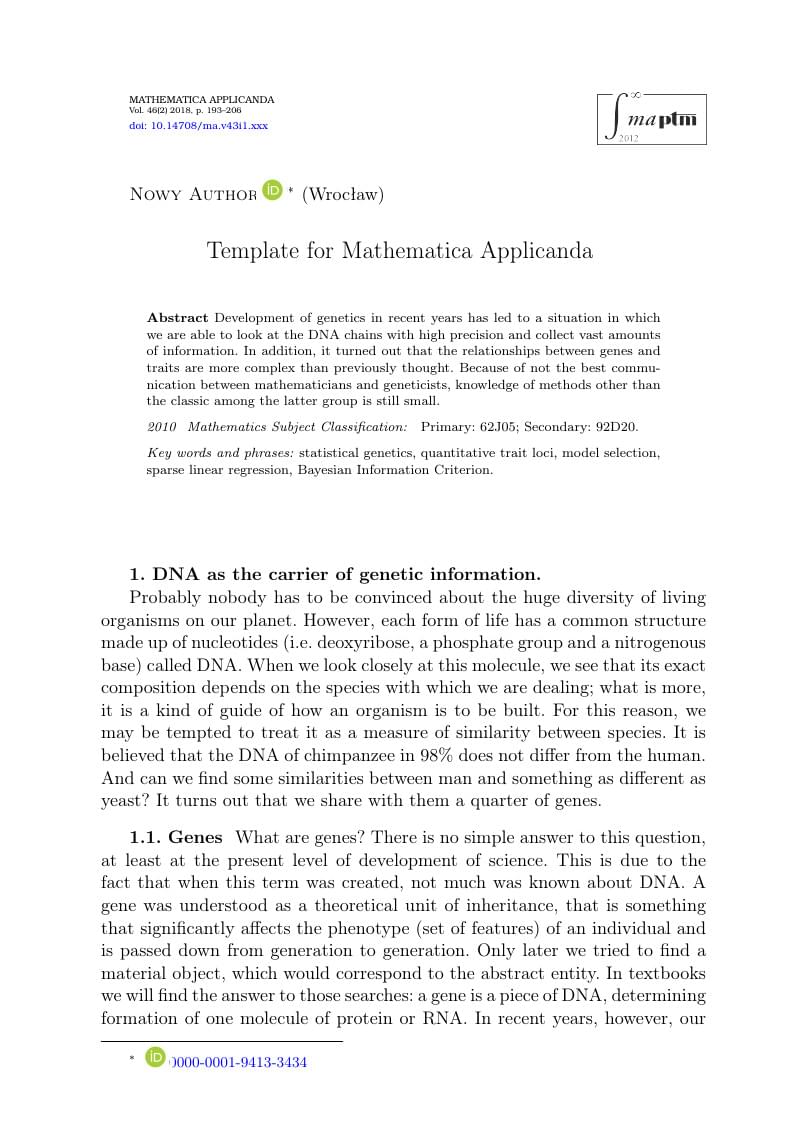
This is the template of a regular article to Mathematica Applicanda — the Annales Societatis Mathematicae Polonae Series III published by Polish Mathematical Society.
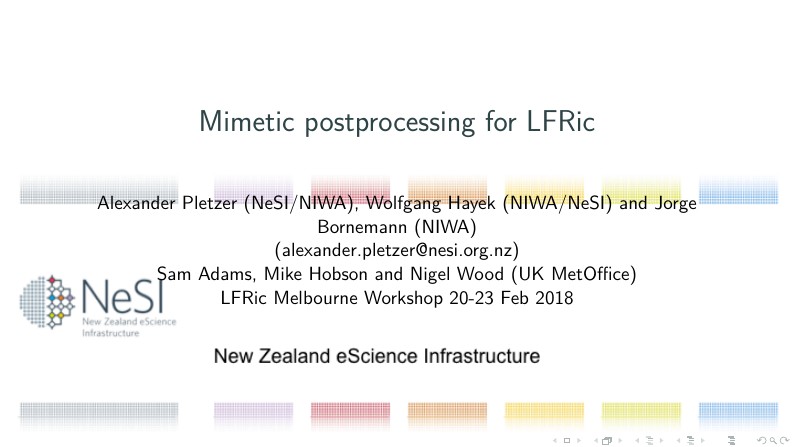
We describe what mimetic interpolation is and why it is critical for some pre- and post-processing tasks. A simple test case shows how using bilinear interpolation for a flux calculation introduces numerical errors that depend on the grid, the number of segments and the number of quadrature points. In contrast, mimetic interpolation will return the exact result regardless of the grid resolution and the number of segments.
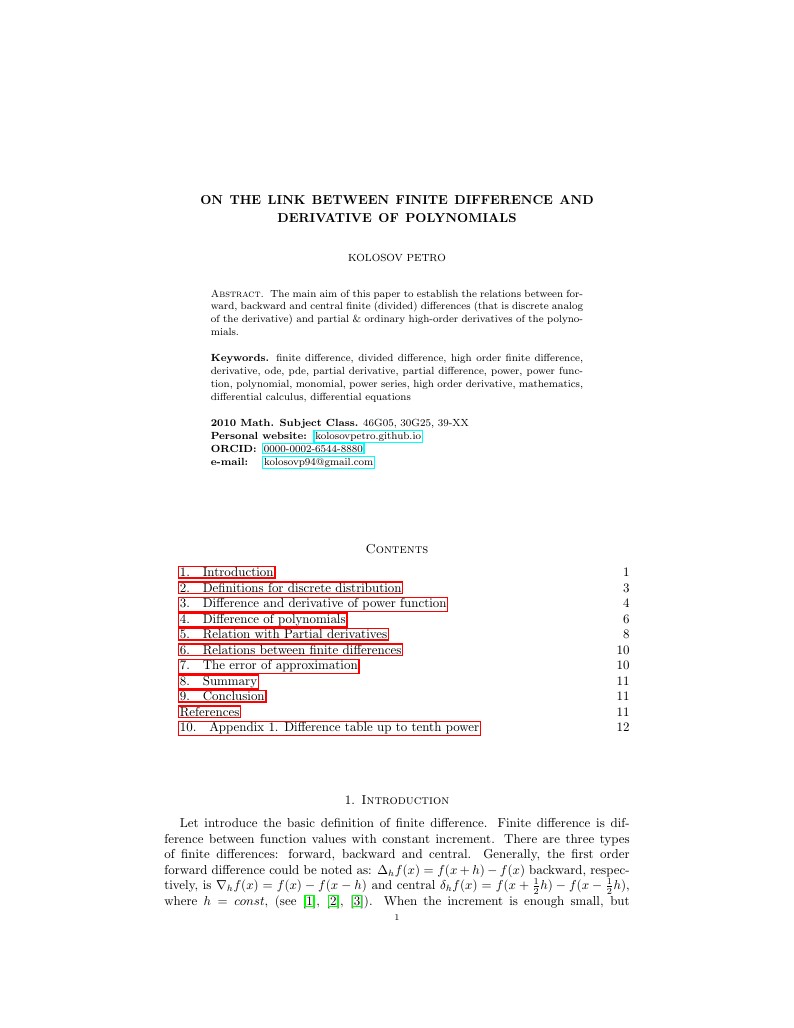
The main aim of this paper to establish the relations between forward, backward and central finite (divided) differences (that is discrete analog of the derivative) and partial & ordinary high-order derivatives of the polynomials.
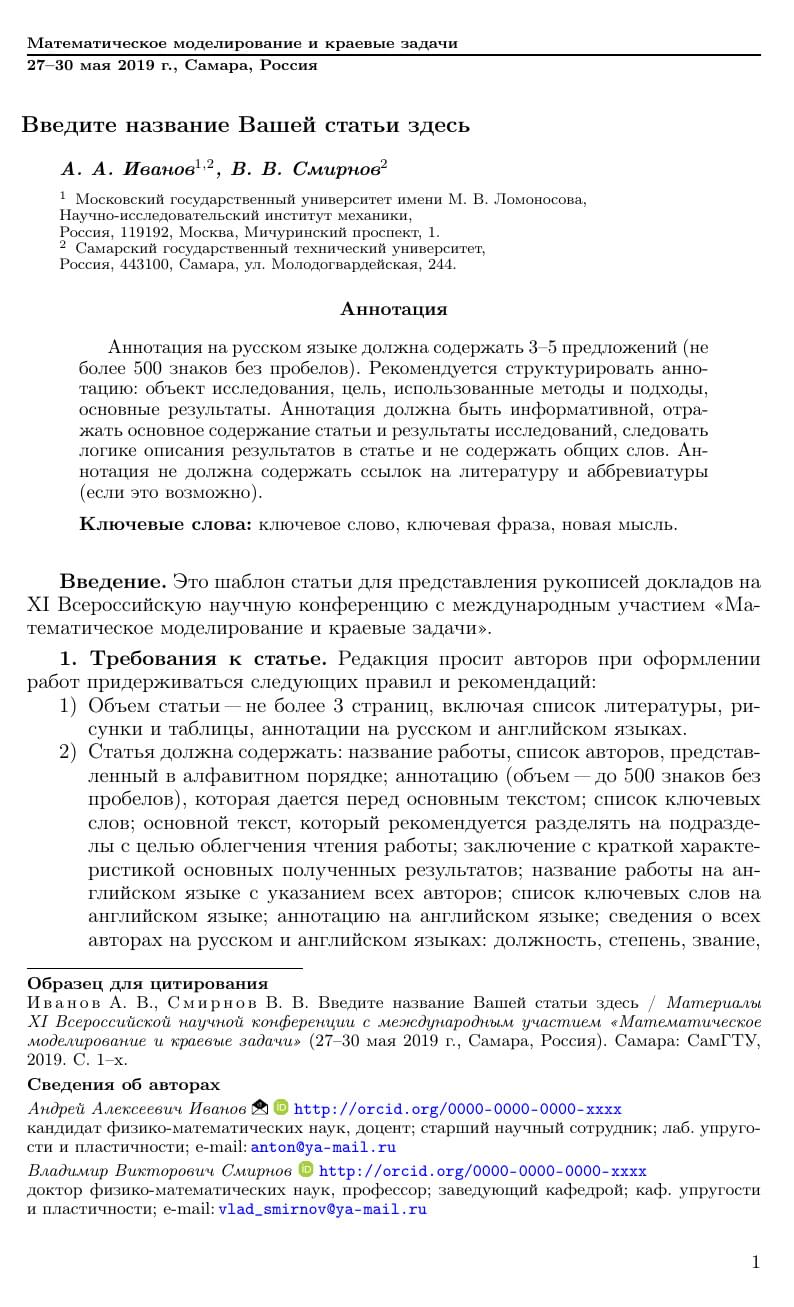
A LaTeX template for preparing documents for the Mathematical Modeling and Boundary Value Problems Conference. This is a LaTeX template (version from 2019 Feb. 25) for preparing documents for All-Russian Scientific Conference of the Mathematical Modeling and Boundary Value Problems [Matem. Mod. Kraev. Zadachi, Samara, Russian Federation]. It was submitted by an author writing for the 11th All-Russian Scientific Conference with international participation (MMiKZ’19). The various components of your paper [title, text, heads, etc.] are already defined on the style sheet, as illustrated by the portions given in this document. Author: Mikhail N. Saushkin (msaushkin@gmail.com)
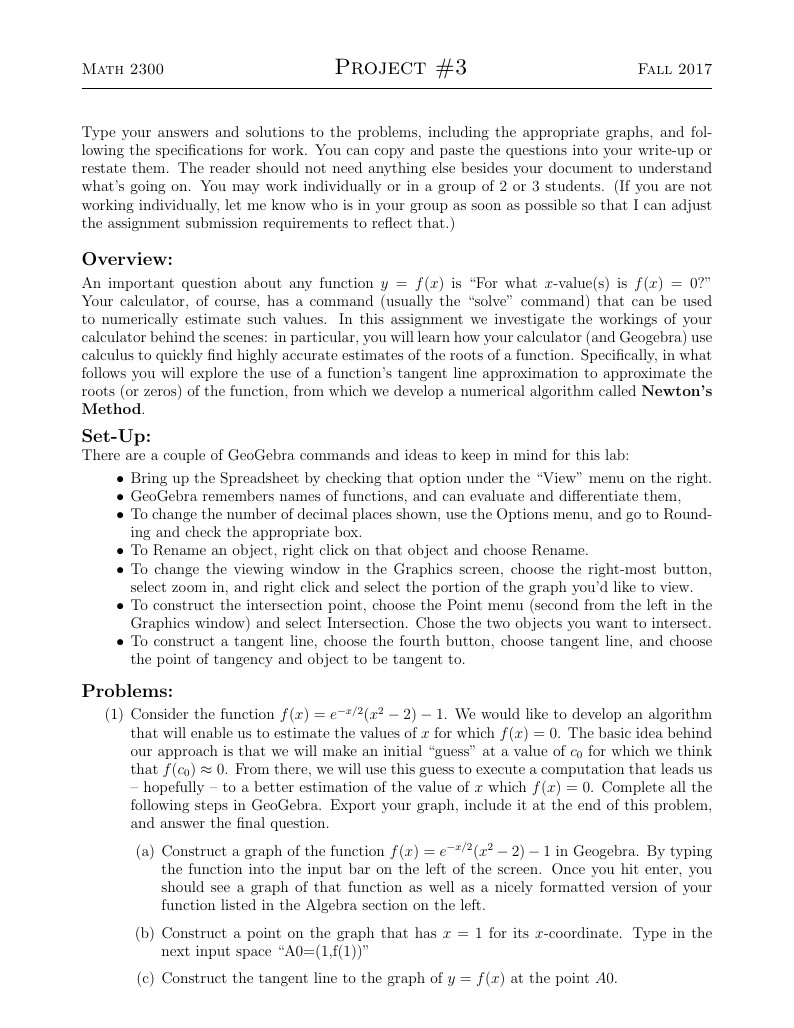
This is a project to develop students' understanding of Newton's Method using the tools available in Geogebra. This project was adapted from a similar project developed by folks at Grand Valley State University. (If any of you see this and would like more specific attributions, please let me know.)
\begin
Discover why over 30 million people worldwide trust Overleaf with their work.