overleaf template galleryCommunity articles — Recent
Papers, presentations, reports and more, written in LaTeX and published by our community.
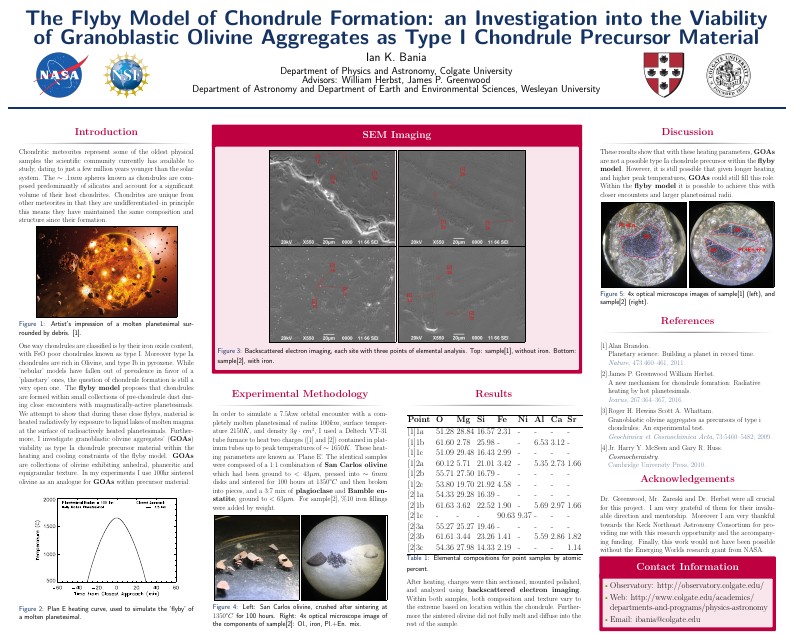
A look into the viability of GOAs as type I chondrule precursor material within the new heating parameters of the fly by model.
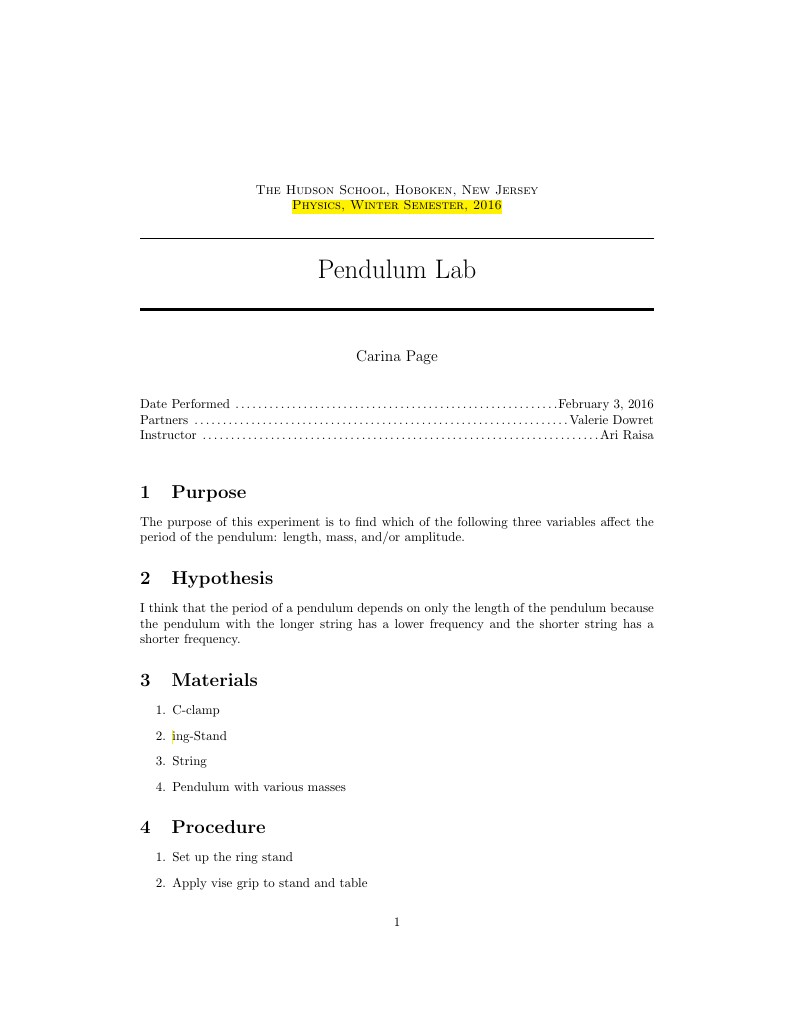
Lab report for Period of a Pendulum Lab
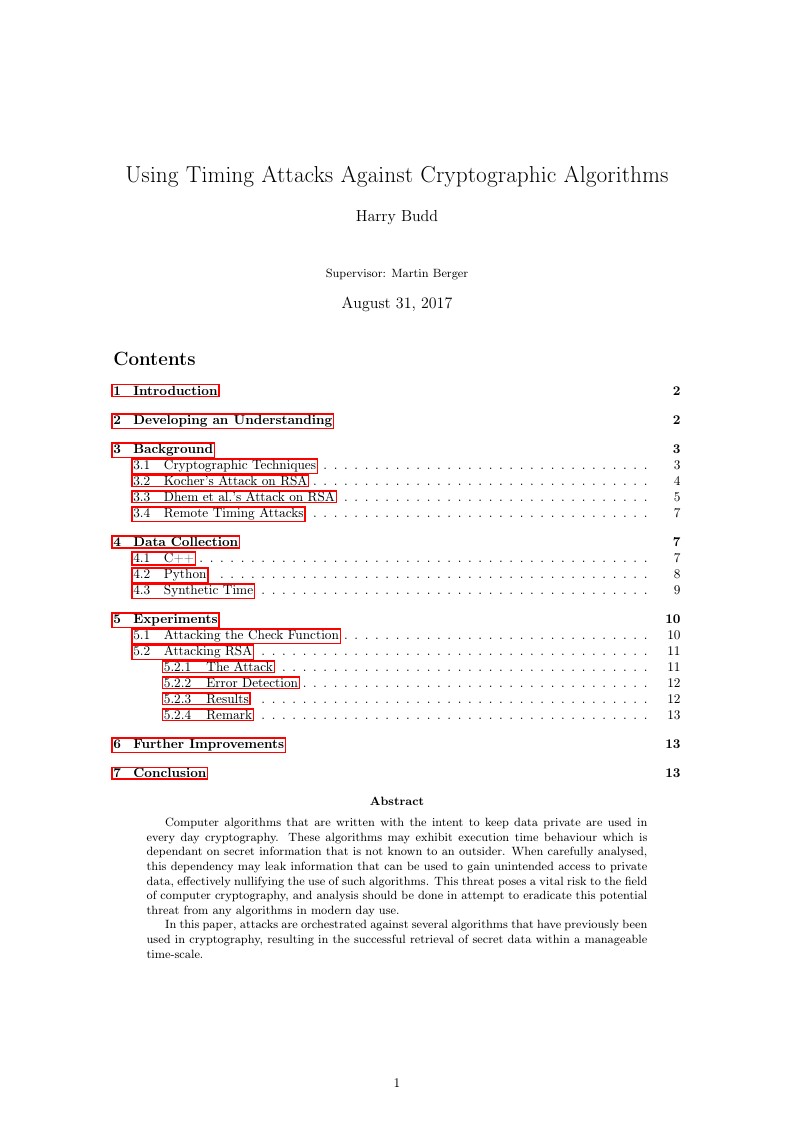
Computer algorithms that are written with the intent to keep data private are used in every day cryptography. These algorithms may exhibit execution time behaviour which is dependant on secret information that is not known to an outsider. When carefully analysed, this dependency may leak information that can be used to gain unintended access to private data, effectively nullifying the use of such algorithms. This threat poses a vital risk to the field of computer cryptography, and analysis should be done in attempt to eradicate this potential threat from any algorithms in modern day use. In this paper, attacks are orchestrated against several algorithms that have previously been used in cryptography, resulting in the successful retrieval of secret data within a manageable time-scale.
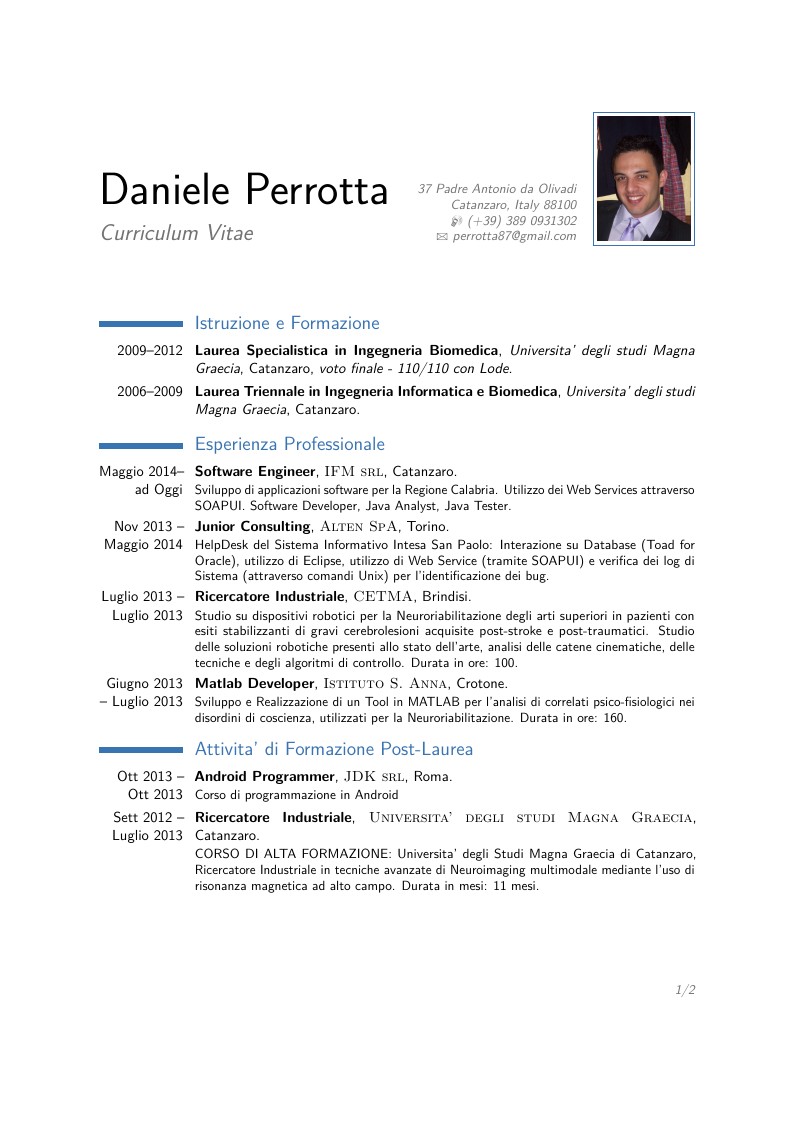
"ModernCV" CV and Cover Letter LaTeX Template Version 1.11 (19/6/14) This template has been downloaded from: http://www.LaTeXTemplates.com Original author: Xavier Danaux (xdanaux@gmail.com) License: CC BY-NC-SA 3.0 (http://creativecommons.org/licenses/by-nc-sa/3.0/)
Two examples of extreme-event modeling.
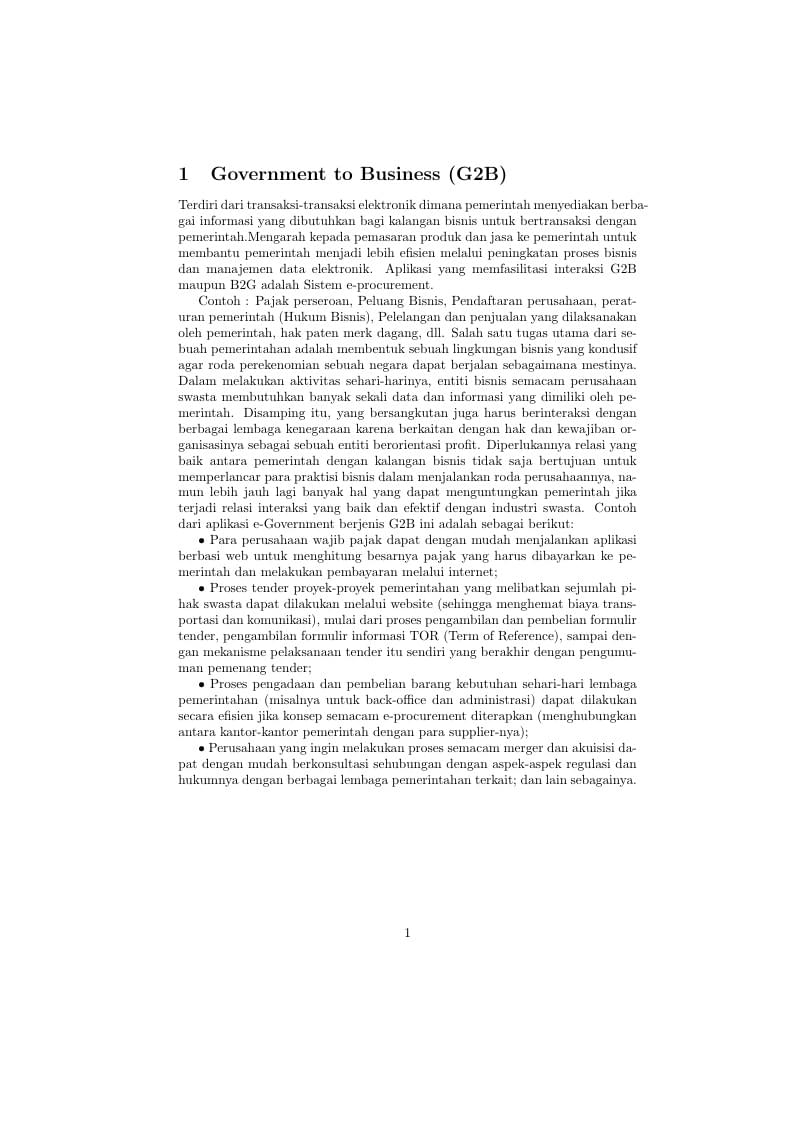
Tugas E-Business tentang G2B
Dokumentasi Praktikum I-IV
A presentation on Virgil's works
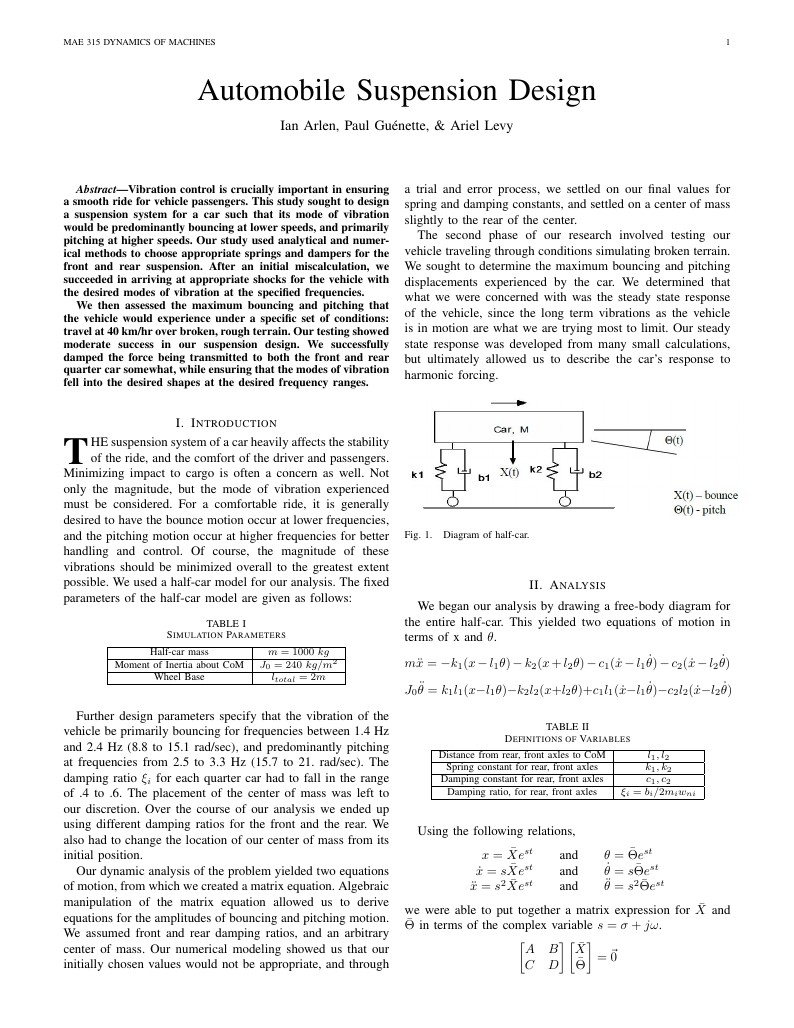
Vibration control is crucially important in ensuring a smooth ride for vehicle passengers. This study sought to design a suspension system for a car such that its mode of vibration would be predominantly bouncing at lower speeds, and primarily pitching at higher speeds. Our study used analytical and numerical methods to choose appropriate springs and dampers for the front and rear suspension. After an initial miscalculation, we succeeded in arriving at appropriate shocks for the vehicle with the desired modes of vibration at the specified frequencies. We then assessed the maximum bouncing and pitching that the vehicle would experience under a specific set of conditions: travel at 40 km/hr over broken, rough terrain. Our testing showed moderate success in our suspension design. We successfully damped the force being transmitted to both the front and rear quarter car somewhat, while ensuring that the modes of vibration fell into the desired shapes at the desired frequency ranges.
\begin
Discover why over 30 million people worldwide trust Overleaf with their work.